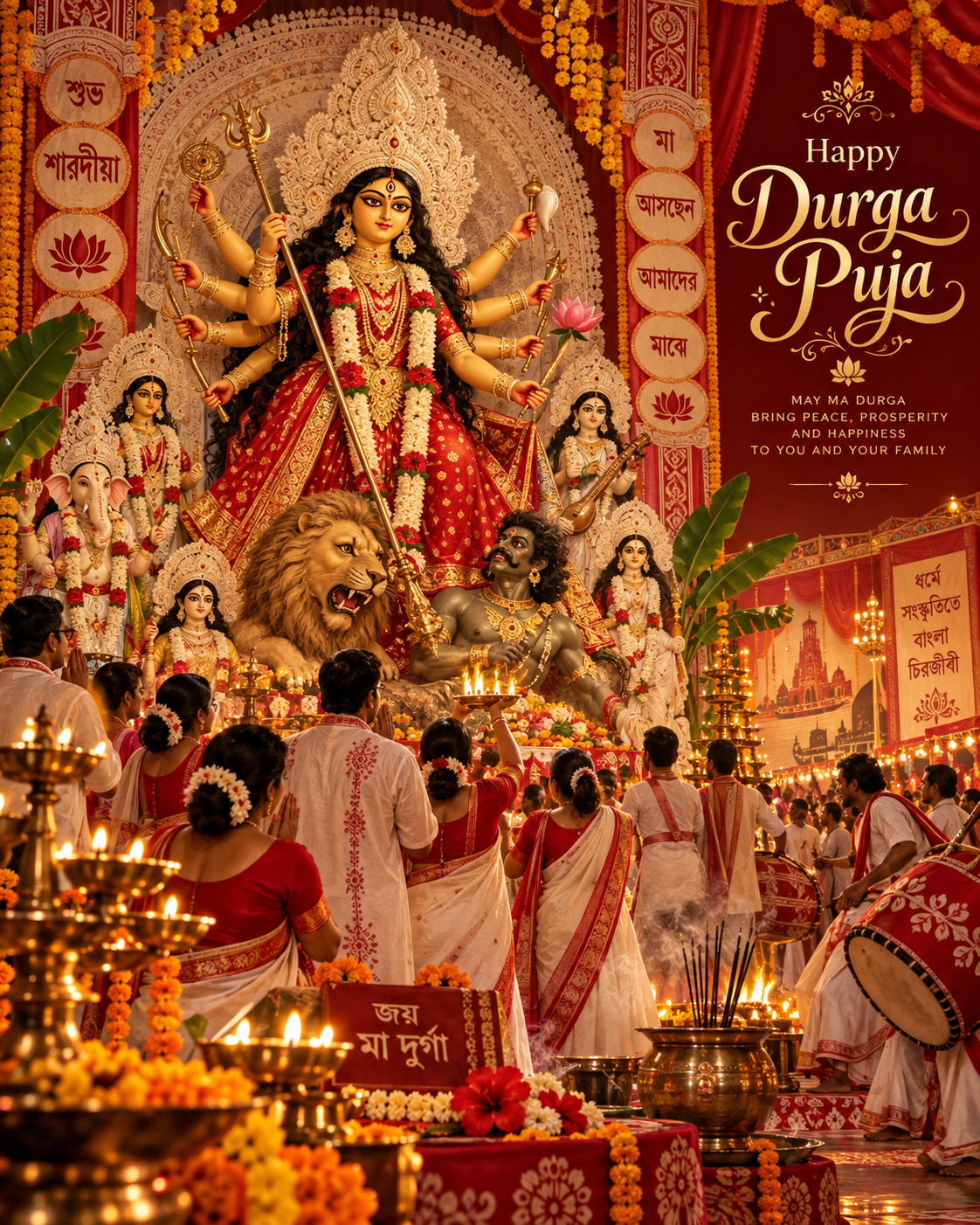
A temporary city of work
The short-cycle demand is created by the construction of the Pandal, lighting, idol making, security, sound, transport, food stalls, flowers, clothing, and cleaning.
The festival economy is spread out among various occupations instead of being focused in a single sector.
Handicraft and creative labor
Artists and craftsmen provide a wide range of products, including idols, decorative panels, props, signage, and costumes. Theme-specific pandals can generate a need for unique crafting methods and extensive teamwork.
Acknowledging this effort is important as creative projects are often only fully appreciated once they are completed and installed.
Retail, food and mobility
Increased pandal hopping leads to higher shopping, dining out, ride requests, and late-night travel. Small vendors can capitalize on the increased foot traffic, but congestion and long hours pose operational difficulties.
The success of a festival's economy hinges on careful crowd management as well as consumer excitement.
Why local spending matters
Support the ecosystem by purchasing goods from local artisans and vendors, paying fair prices, and refraining from seeking discounts that diminish the value of handmade items.
Pujo's economic narrative becomes more viable when rewards are shared with those who contribute to its creation.