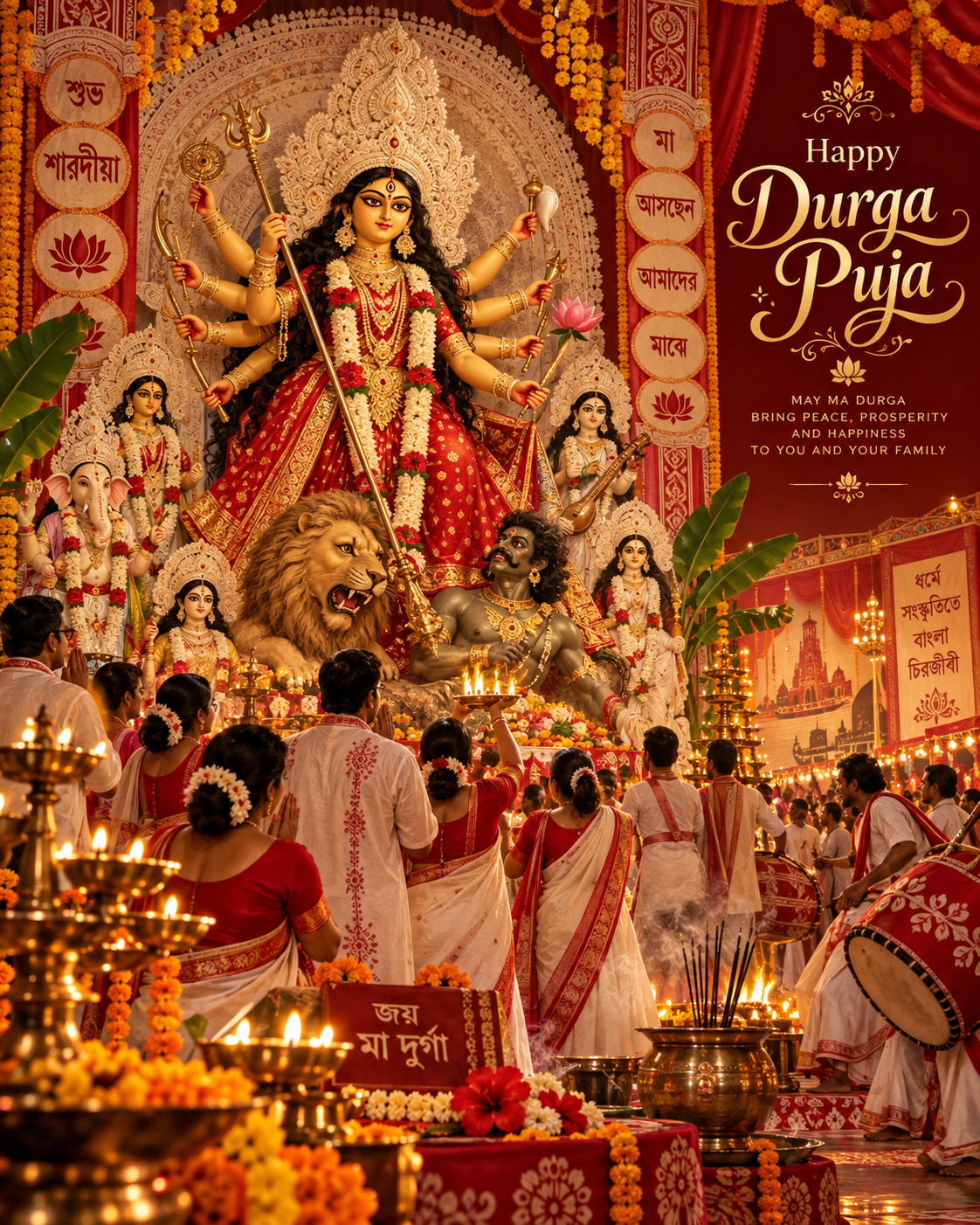
From familiar form to thematic storytelling
In traditional settings, sacred images were placed at the center of recognizable decorations, but as time passed, organizers began utilizing the entire pandal environment to narrate a story.
Now, walls, entrances, sound, light, materials, and visitor flow can seamlessly integrate into a single temporary installation.
Why temporary architecture invites experimentation
Pandals, designed for temporary festivals, allow artists to experiment with ideas not feasible in permanent structures, enabling the use of scale, theatrical elements, and unconventional materials.
The most successful designs prioritize both worship and crowd flow, ensuring that visitors can safely navigate the space and that the focal point remains prominent amidst the set.
Themes as public conversation
Modern pandals can be inspired by traditional craftsmanship, historical events, the natural world, societal issues, or imaginative visuals, transforming local celebrations into a widespread cultural showcase throughout the urban landscape.
The outcome is a unique connection between widespread participation and intricate design: numerous everyday attendees experience installation art through the enjoyment of a festival.
What to notice when pandal hopping
Shift your focus away from the selfie spot and pay attention to the materials, craftsmanship, audio design, pathway to the idol, accessibility, and how the theme enhances worship rather than detracts from it.
A considerate visit regards the pandal as a fully crafted experience, rather than just a setting.