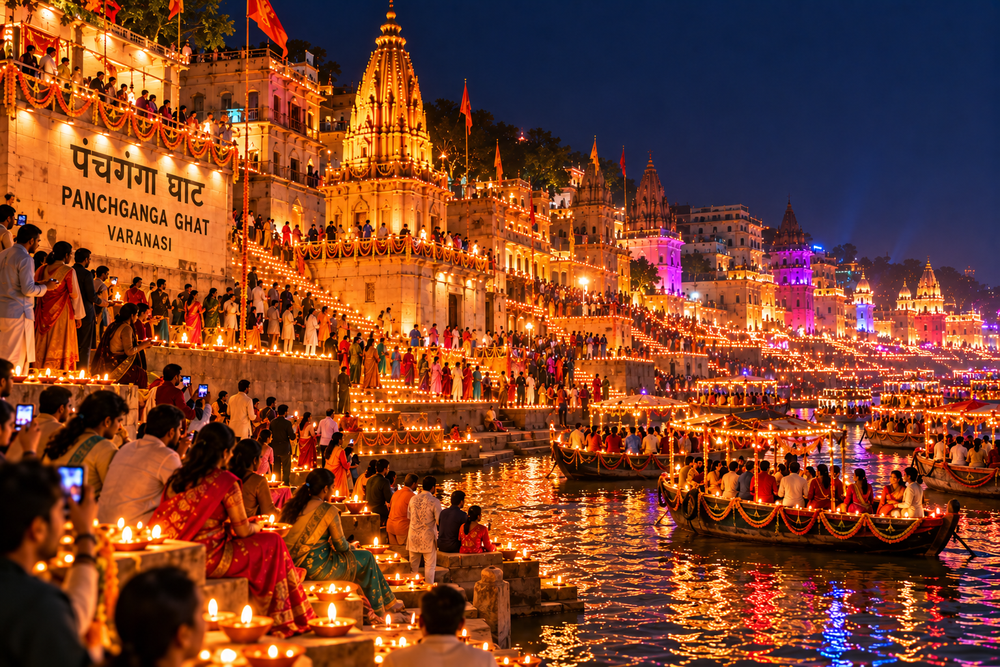
The seasonal connection
Many households observe Tulsi Vivah on Prabodhini Ekadashi or during the days around it, while some communities extend related ceremonies toward Kartik Purnima. The festival symbolizes renewed auspiciousness, devotion, and the return of wedding-season festivities after the monsoon-related Chaturmas period. Presenting Dev Deepawali as the universal, fixed last day of Tulsi Vivah would oversimplify diverse calendars.
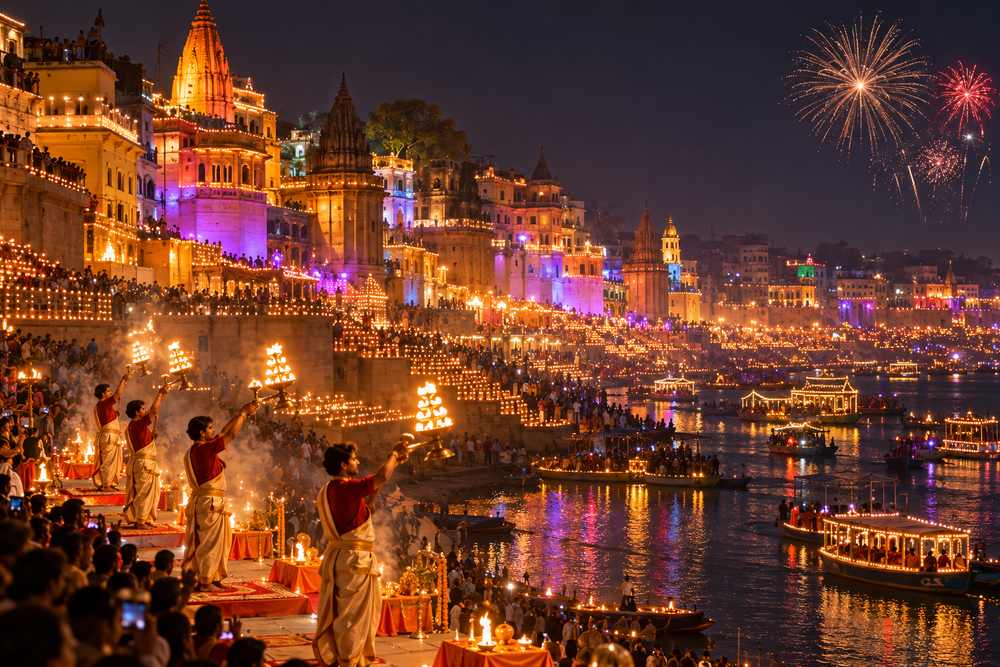
Bringing the observance home
A small home ceremony may include cleaning the tulsi planter, dressing it with cloth and flowers, lighting a diya, singing aarti, and sharing prasad. Families sometimes use a sugarcane canopy and symbolic wedding decorations. The point is devotional joy, not expensive staging. Where tulsi is grown outdoors, protect the plant from excess oil, soot, and harsh decorative materials.
A gentle celebration checklist
- Consult your local panchang and family custom for the Tulsi Vivah date.
- Keep live tulsi plants away from exposed flames and avoid tying damaging wire to stems.
- Use reusable flowers, fabric, and biodegradable offerings wherever possible.
- Share the symbolic meaning with children rather than describing a single date as mandatory.
Common question
Does the wedding season begin on Dev Deepawali everywhere? No. The traditional association with renewed marriage festivities is widespread, but local calendars, community practices, and individual wedding planning vary.