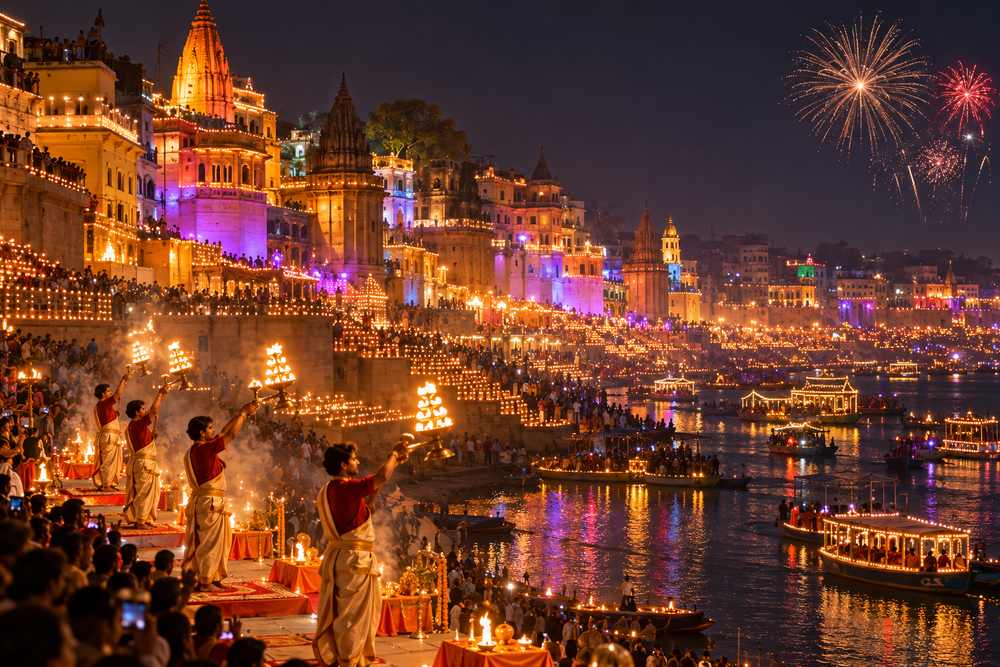
What overtourism can look like
A destination becomes difficult for residents and pilgrims when public spaces are routinely blocked, prices detach from everyday use, garbage accumulates, and worship is turned into an obstacle course for photographers. In Varanasi, narrow lanes and ghat steps intensify those risks. The challenge is not to stop celebration; it is to share space fairly and prevent preventable harm.
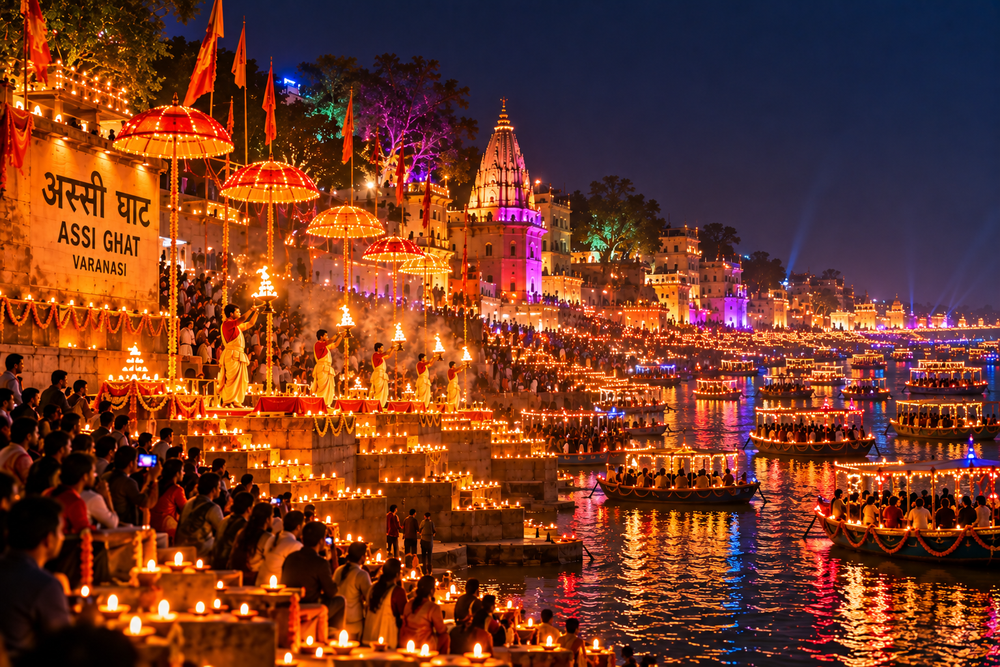
Principles for a more sustainable festival
Better crowd circulation, accurate visitor information, accessible viewing, responsible boat limits, collection of lamp and flower waste, and protection of artisans' livelihoods can all help. Officials and organizers can publish clear route maps, safety rules, and post-event cleanup plans. Tour operators can price transparently and avoid selling “guaranteed views” they cannot control. Travelers can spread visits across more of the day and spend thoughtfully with local businesses.
What the individual visitor can change
- Keep the most sacred spaces available for people who are there to worship.
- Choose quieter lawful viewpoints when major ghats reach capacity.
- Buy local crafts fairly, minimize waste, and avoid speculative “VIP” claims.
- Share responsible travel advice: not just spectacular photographs: after the trip.
Common question
Can Dev Deepawali grow without losing its meaning? That depends on active stewardship by residents, religious groups, civic agencies, businesses, and visitors. Growth alone is neither success nor failure; protection of worship, people, and place is the meaningful measure.