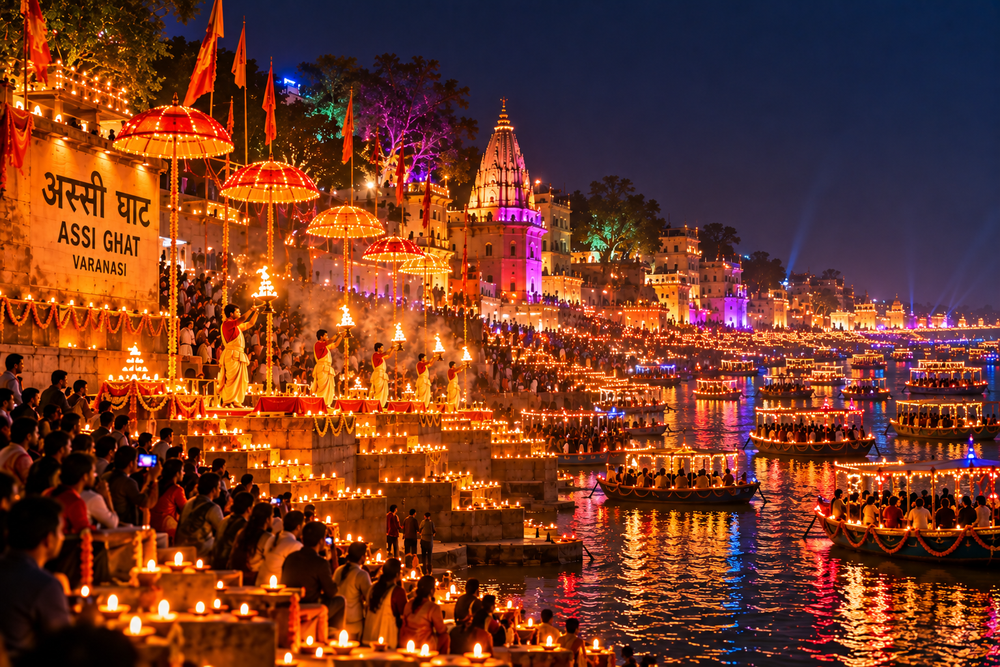
Why the pre-dawn ritual matters
Bathing at a sacred time is understood by devotees as an act of spiritual cleansing, discipline, and gratitude. The ritual often accompanies meditation, prayers to the rising sun, and charity. The temperature and crowds can make a dawn visit demanding; language about “millions braving freezing water” should not be taken as a reliable crowd count or weather forecast for every year.
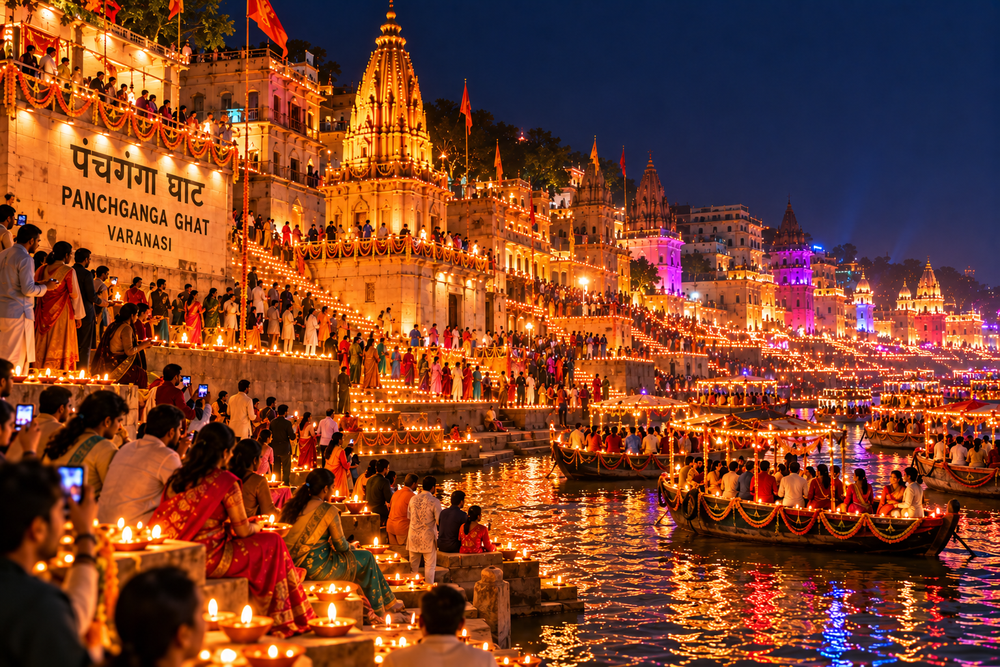
Participate without unnecessary risk
The ghats have steep steps, wet stone, changing river levels, and busy access lanes. Some visitors choose a modest symbolic ablution rather than entering deep water. Others stay on shore and pray. Neither age nor devotion removes the need to consider swimming ability, medical conditions, and official restrictions. Never bathe alone or outside designated areas.
Practical morning plan
- Check approved bathing areas, current advisories, and weather before leaving your lodging.
- Wear nonslip footwear until the safe bathing point; protect dry clothing and valuables.
- Avoid river entry if conditions look unsafe, you are ill, or officials restrict access.
- Bring warm layers and a companion if traveling with older adults or children.
Common question
Is a full immersion compulsory? Practices vary. People who cannot safely enter a river can observe the day through prayer, charity, and a symbolic bath according to their traditions.